
Piriformis Syndrome Massage Seattle: Relief Guide
· FlowState Seattle Massage
Seattle massage therapy for piriformis syndrome relief. Our clinical team uses myofascial release and deep tissue to reduce sciatic nerve pain and buttock.
Book Now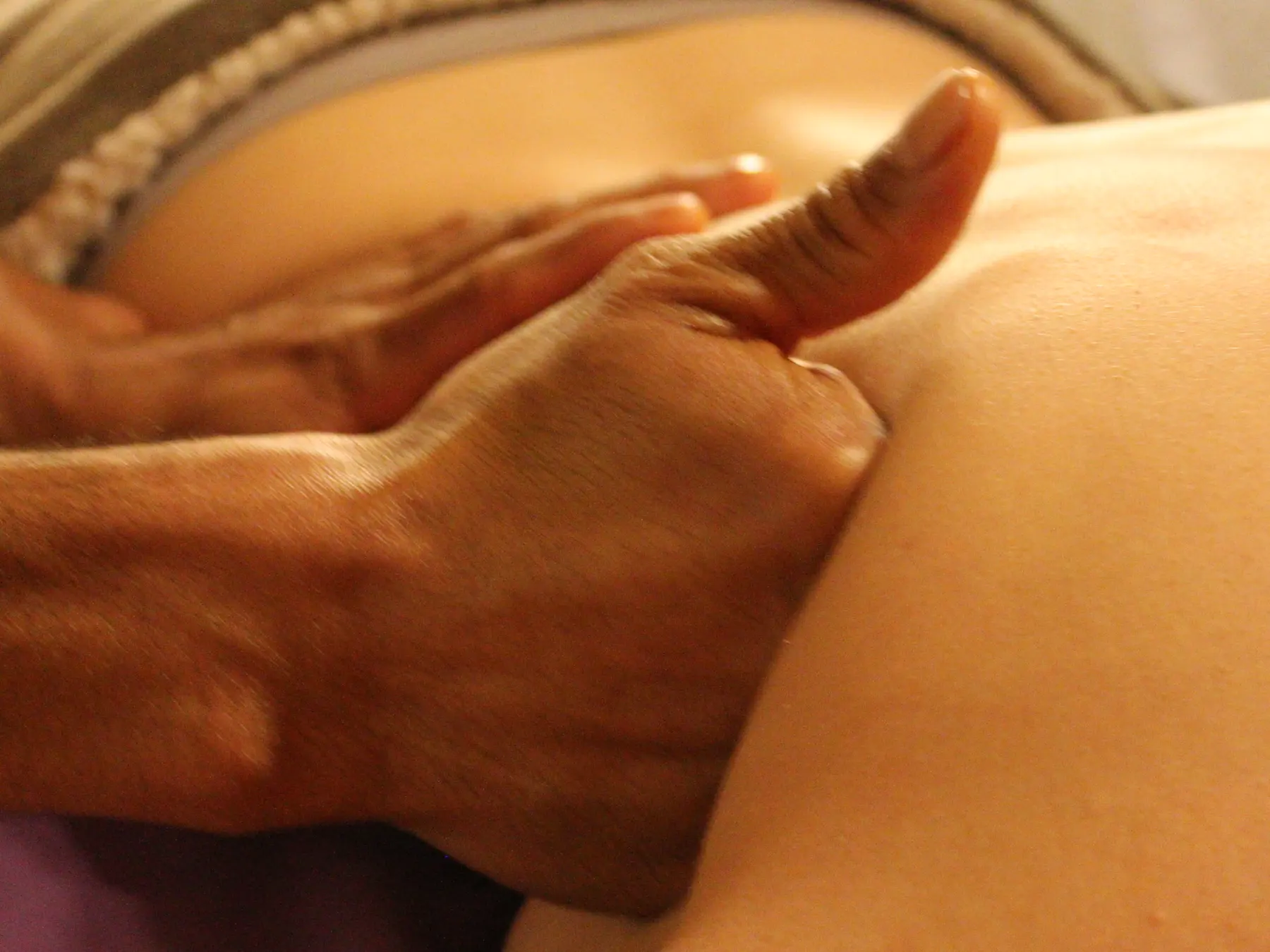
Published on October 15, 2026 | By FlowState Seattle Massage
Piriformis Syndrome Massage Seattle: Relief Guide
title: “Piriformis Syndrome Massage Seattle: Relief Guide” description: “Published on October 15, 2026 — Seattle massage therapy for piriformis syndrome relief. Our clinical team uses myofascial release and deep tissue to reduce sciatic nerve pain and buttock discomfort.”
Piriformis syndrome massage therapy in Seattle targets the deep gluteal muscle to relieve sciatic nerve compression and buttock pain. At FlowState Seattle Massage, our clinical team uses myofascial release and deep tissue techniques to restore mobility for active individuals. This approach reduces radiating hip and thigh pain effectively.
Key Takeaways
- Piriformis syndrome produces deep buttock pain that radiates down the back of the leg from sciatic nerve compression.
- Prolonged sitting at a desk or during commutes intensifies piriformis muscle tightness and sciatic nerve irritation.
- Clinical massage releases the deep external rotator group rather than treating the lower back for true sciatica.
- Deep tissue massage for piriformis syndrome reduces muscular compression driving buttock pain, hip restriction, and nerve referral.
What is piriformis syndrome and why does it hurt?
Piriformis syndrome is a neuromuscular condition where the piriformis muscle irritates the sciatic nerve. That irritation produces deep, aching pain in the buttock that often radiates down the back of the leg. We see this pattern frequently among Seattle runners and desk professionals who spend long hours sitting.
The piriformis muscle sits deep in the posterior hip, tucked beneath the larger gluteal mass. When this muscle becomes hypertonic or inflamed, it creates real trouble. The sciatic nerve runs in close proximity to the piriformis. Restriction in the muscle compresses or irritates the nerve directly. The result is a pain pattern that travels from the deep buttock into the hip and down the posterior thigh.
Why does sitting make piriformis pain worse?
Sitting places direct pressure on an already tight piriformis muscle. That compression further irritates the sciatic nerve beneath it. Many Seattle commuters and office workers notice the ache intensifies after prolonged sitting at a desk. Climbing stairs triggers the same response because the motion demands the piriformis stabilize the hip while already shortened and aggravated.
How does piriformis syndrome differ from general sciatica?
True sciatica often stems from a lumbar disc issue compressing the nerve root near the spine. Piriformis syndrome originates in the buttock itself. The piriformis muscle entraps the sciatic nerve peripherally, not at the spinal level. Our clinical massage Seattle approach targets this distinction precisely. We focus on releasing the deep external rotator group rather than treating the lower back. For a deeper look at how targeted techniques address this condition, our guide on relieving sciatic nerve pain explains the specific methods we use.
Symptoms include pain worsened by prolonged sitting and a dull ache that sharpens with certain movements. Radiating discomfort down the back of the leg is another common complaint. Without intervention, the cycle of spasm and nerve irritation continues. Sciatica massage therapy Seattle sessions break that cycle by addressing the muscular source directly.
How does clinical massage Seattle treat deep gluteal syndrome?
Clinical massage in Seattle treats deep gluteal syndrome Seattle by targeting the deep hip rotator muscles that compress the sciatic nerve. Our approach directly reduces muscular compression in the posterior hip, relieving the buttock pain and nerve referral that derail active lives.
We focus on the deep external rotator group. These muscles sit beneath the gluteal mass and become hypertonic, inflamed, or develop active trigger points. Deep tissue massage for piriformis syndrome targets this exact region to relieve the muscular compression driving buttock pain, hip restriction, and sciatic nerve referral. It is one of the most clinically effective manual therapy interventions for this condition, particularly when combined with physiotherapy-led hip strengthening.
What techniques do therapists use for deep gluteal pain?
Our clinical massage Seattle sessions combine multiple modalities. We integrate ** Myofascial Release** to free fascial restrictions, ** Deep Tissue** work to release hypertonic rotators, and ** Joint Mobilization** through passive stretching to restore hip range of motion. This multi-modal strategy addresses both the muscular and fascial components of nerve entrapment.
How does sciatica massage therapy differ from relaxation massage?
Sciatica massage therapy Seattle is assessment-driven and anatomically precise. We do not simply rub the painful area. Our collaborative team, including Roberto Alvarado and Em, applies targeted pressure to the piriformis and surrounding deep rotators. The goal is measurable: reduced nerve compression and restored hip mobility. Without this specificity, you lose weeks or months to unresolved nerve pain that limits running, sitting, and everyday movement.
Can sciatica massage therapy Seattle relieve nerve pain?
Sciatica massage therapy Seattle targets the deep buttock muscles that compress the sciatic nerve. Specific massage techniques calm the dull, achy, throbbing, or searing buttock pain that defines piriformis syndrome. Massage therapy for piriformis muscle pain also reduces hip and thigh pain radiating through the sciatic nerve.
We see this pattern constantly in our downtown clinic. Runners, cyclists, and desk-bound professionals arrive with the same story: pain that started deep in the glute and crept down the leg. The piriformis muscle sits directly beneath the gluteal mass. When that muscle becomes hypertonic or inflamed, it irritates the sciatic nerve running alongside it.
What does sciatica massage therapy actually do?
Massage works by releasing the muscular compression driving nerve referral. Our therapists apply targeted pressure to the deep external rotator group in the posterior hip. This reduces the tension pressing against the sciatic nerve.
The approach matters more than the label. Clinical massage Seattle practitioners combine several techniques:
- Deep tissue massage to break up adhesions in the piriformis and surrounding rotators
- Myofascial release to restore glide between fascial layers
- Joint mobilization with passive stretching to improve hip range of motion
Can foam rolling help between sessions?
Foam rolling is a form of myofascial release. A foam roller applies pressure to specific areas to release muscle tightness and reduce pain. We teach clients how to use this tool safely at home. Done incorrectly, aggressive rolling aggravates an already irritated nerve.
Deep gluteal syndrome Seattle responds best to consistent, layered care. FlowState Seattle Massage offers relaxing therapeutic massages, deep tissue work, myofascial release, and stretch therapy. Each session builds on the last. Skipping treatment lets the muscle re-tighten and the nerve compression return.
What techniques work best for piriformis syndrome massage Seattle?
Effective piriformis syndrome massage Seattle treatment combines myofascial release with therapist-guided stretching. These techniques directly target the deep gluteal muscles and surrounding fascial network to relieve compression and restore mobility.
How does myofascial release help deep gluteal syndrome Seattle?
Myofascial release techniques are specialized methods that alleviate pain and tension in restricted muscle tissue. For deep gluteal syndrome Seattle sufferers, we apply sustained pressure to the piriformis and adjacent hip rotators. This approach releases fascial adhesions that trap the sciatic nerve. The result is reduced buttock pain and improved hip range of motion.
What role does Fascial Stretch Therapy play in sciatica massage therapy Seattle?
Fascial Stretch Therapy (FST) is a gentle, therapist-guided stretching system that targets the entire fascial network surrounding and connecting your muscles. During ** sciatica massage therapy Seattle** sessions, FST is performed on a treatment table with our practitioner guiding your limbs through comfortable, flowing movements. This method decompresses the hip joint and lengthens the posterior chain without triggering protective muscle guarding. It restores ease and mobility where static stretching fails.
Our clinical massage Seattle practice integrates these modalities into every session. We assess your movement patterns first. Then we combine targeted myofascial work on the piriformis with table-based FST to address both the muscle and its fascial connections. This dual approach breaks the pain-spasm cycle that keeps Seattle runners and desk professionals sidelined.
How do I start piriformis syndrome treatment in Seattle?
Starting piriformis syndrome massage Seattle treatment begins with a clinical assessment at a licensed downtown clinic. FlowState Seattle Massage is a collective of clinical massage therapists and bodywork specialists who evaluate your hip mobility, gluteal tension, and sciatic nerve referral patterns before any hands-on work. Without this targeted evaluation, deep buttock pain persists and radiates down the leg, limiting your ability to run, sit comfortably, or hike the Cascades.
Our team addresses deep gluteal syndrome Seattle through multi-modality sessions that combine myofascial release, deep tissue work, and joint mobilization. We offer customizable single sessions to fit your schedule and needs, backed by numerous positive client reviews.
What should I expect during my first piriformis massage session?
Your first session starts with a conversation about your pain history and movement goals. Our therapists then assess your hip range of motion and identify trigger points in the deep external rotator group. Treatment follows on the table, where we use sustained myofascial pressure to release the piriformis and reduce sciatic nerve compression.
How many sessions does piriformis syndrome typically require?
Acute flare-ups often respond within two to three sessions when combined with home mobility work. Chronic sciatica massage therapy Seattle cases may need ongoing care over several weeks. We design every treatment plan around your specific presentation, whether you need enhanced joint mobilization, better chronic pain management, or a relaxing recovery experience.
Clinical massage Seattle at FlowState integrates passive stretching and targeted deep tissue techniques that restore function. Our collaborative team, including Roberto Alvarado and Em, brings specialized training to every session. Book a single appointment and experience why active Seattle professionals and runners trust our approach for lasting relief.
What Piriformis Stretch Techniques Enhance Sciatic Pain Relief?
Incorporating stretching techniques into therapy enhances the effectiveness of massage for sciatica relief. Stretches targeting the piriformis muscle can alleviate tension that may contribute to sciatic nerve pain, promoting better flexibility and reducing discomfort. Specific stretches, such as the seated piriformis stretch and lying figure-four stretch, are particularly beneficial and should be performed gradually and consistently for best results.
How to combine stretches with massage for lasting nerve pain relief?
Integrating stretching exercises with massage is vital for long-term relief from sciatica pain. After a massage session, therapists often recommend specific stretches that can maintain muscle flexibility and prevent future tension buildup. Suggested practices include doing light stretches daily and using breathing techniques to enhance relaxation during stretches. Regularly combining massage with these stretching techniques supports sustained recovery, as they work together to address muscle tightness and nerve tension.
Clinical research frequently highlights how underlying musculoskeletal tightness closely mimics or directly causes sciatic discomfort.
Clinical Comparison of Sciatic Neural Mobilization and Piriformis Stretching
Piriformis syndrome is considered as painful musculoskeletal condition resembling sciatica. It is responsible for 6% of cases of low back pain and is frequently unrecognized in clinical setting. Comparative Effects of Neural Mobilization of Sciatic Nerve Versus Stretching Among Patients with Piriformis Syndrome: A Randomized Clinical Trial, 2025
FAQ
What techniques does FlowState Seattle Massage use for piriformis syndrome?
FlowState Seattle Massage uses myofascial release and deep tissue techniques to release the deep external rotator group and reduce sciatic nerve compression.
How does piriformis syndrome differ from sciatica caused by a disc issue?
Piriformis syndrome originates in the buttock where the muscle entraps the sciatic nerve peripherally. True sciatica stems from a lumbar disc compressing the nerve root near the spine.
Why does sitting worsen piriformis pain?
Sitting places direct pressure on an already tight piriformis muscle, further compressing and irritating the sciatic nerve beneath it.
Conclusion
Deep gluteal pain and sciatica do not resolve on their own. The path forward starts with a clinical assessment that maps your hip mobility and nerve referral patterns, followed by layered sessions of myofascial release, deep tissue work, and joint mobilization. Each treatment builds on the last, breaking the pain-spasm cycle that keeps you sidelined. Book that first appointment, commit to the process, and give your body the consistent care it needs to restore lasting mobility.
Next steps
Learn more about Trigger Point Therapy at FlowState Seattle Massage, see current session prices, or book your session online.