Modality
Assisted Stretch Therapy in Seattle
Assisted stretch therapy lets your therapist take your limbs and spine through ranges you cannot safely reach on your own while your muscles stay fully relaxed.
Combined with myofascial release, it restores length, glide and joint movement. It is the main reason clients say they leave feeling taller.
Who it helps
- Tight hamstrings, hips and low back that self-stretching has not changed
- Desk workers with shortened hip flexors, chest and neck
- Runners and cyclists with IT band, hip and calf tightness
- Athletes who want better stride, reach and joint play
- People rebuilding range of motion after injury, cleared by their provider
- Anyone whose body feels "stuck" in the same patterns
What a session feels like
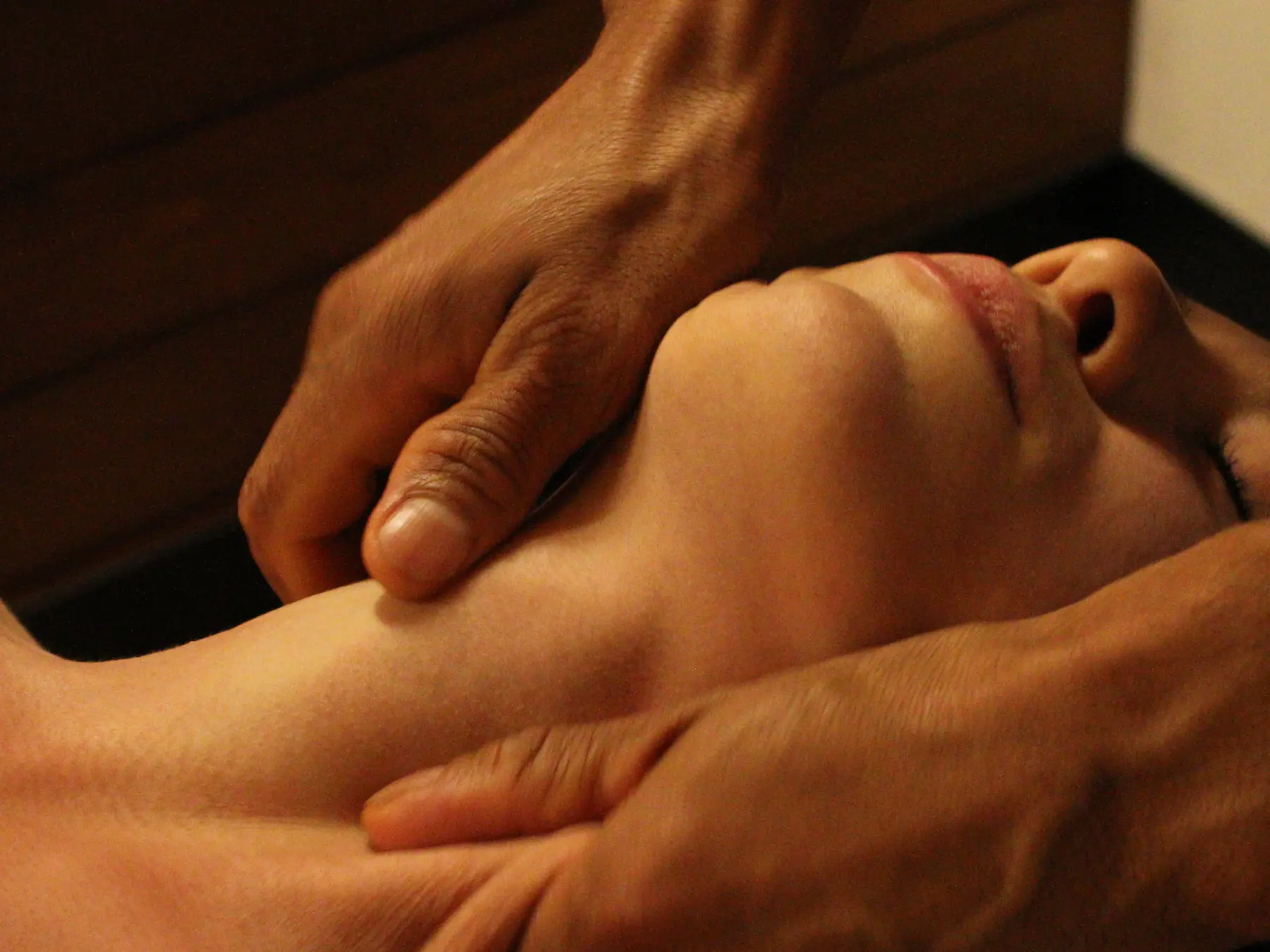
You lie on the table and your therapist supports the limb, moving it slowly into each stretch and matching the hold to your breathing. You do not have to balance or hold anything, so your nervous system lets go and the tissue lengthens further than it would on your own.
Stretching is woven through the session rather than tacked on at the end: fascial work softens an area, then a supported stretch takes it into its new length. Holds are slow and you are never pushed past comfort.
If you prefer, stretch-focused sessions can be done fully clothed in comfortable athletic wear.
How it’s different
Self-stretching keeps part of your nervous system engaged to hold your position, which triggers protective tightening. Assisted stretching removes that work, so the stretch reaches deeper without strain.
A stretch studio usually stretches muscle only. Here, myofascial release frees the fascial sleeve first. Stretching a muscle wrapped in restricted fascia is like pulling on a knotted rope: the knot just tightens.
Holds are matched to your breathing and never bounced or forced, which keeps the nervous system calm and the stretch productive.
Joint mobilization and contract relax (PNF) are often blended in for areas that need more than a passive stretch.
How many sessions
Most clients notice easier movement after one session. For lasting change, a series of three to five sessions one to two weeks apart works well, followed by biweekly or monthly maintenance.
Your therapist will also suggest a few simple stretches to hold the gains at home.
Assisted Stretch Therapy questions
Can I keep my clothes on?
Yes. Stretch-focused work can be done fully clothed in athletic wear, or blended into a regular table session.
Will I really feel taller?
Many clients say so. Releasing tight hip flexors, chest and neck lets you stand in a more open, upright posture. Your bones do not change, but how you carry yourself does.
Is assisted stretching safe after an injury?
Often yes, once your doctor or physical therapist has cleared you for movement. Tell your therapist about the injury so stretches stay within a safe range.
How long should a stretch-focused session be?
Sixty minutes covers one or two regions well, such as hips and low back. Ninety minutes lets your therapist work the whole chain from feet to neck, and includes complimentary cupping.