Modality
Joint Mobilization and Passive Stretching
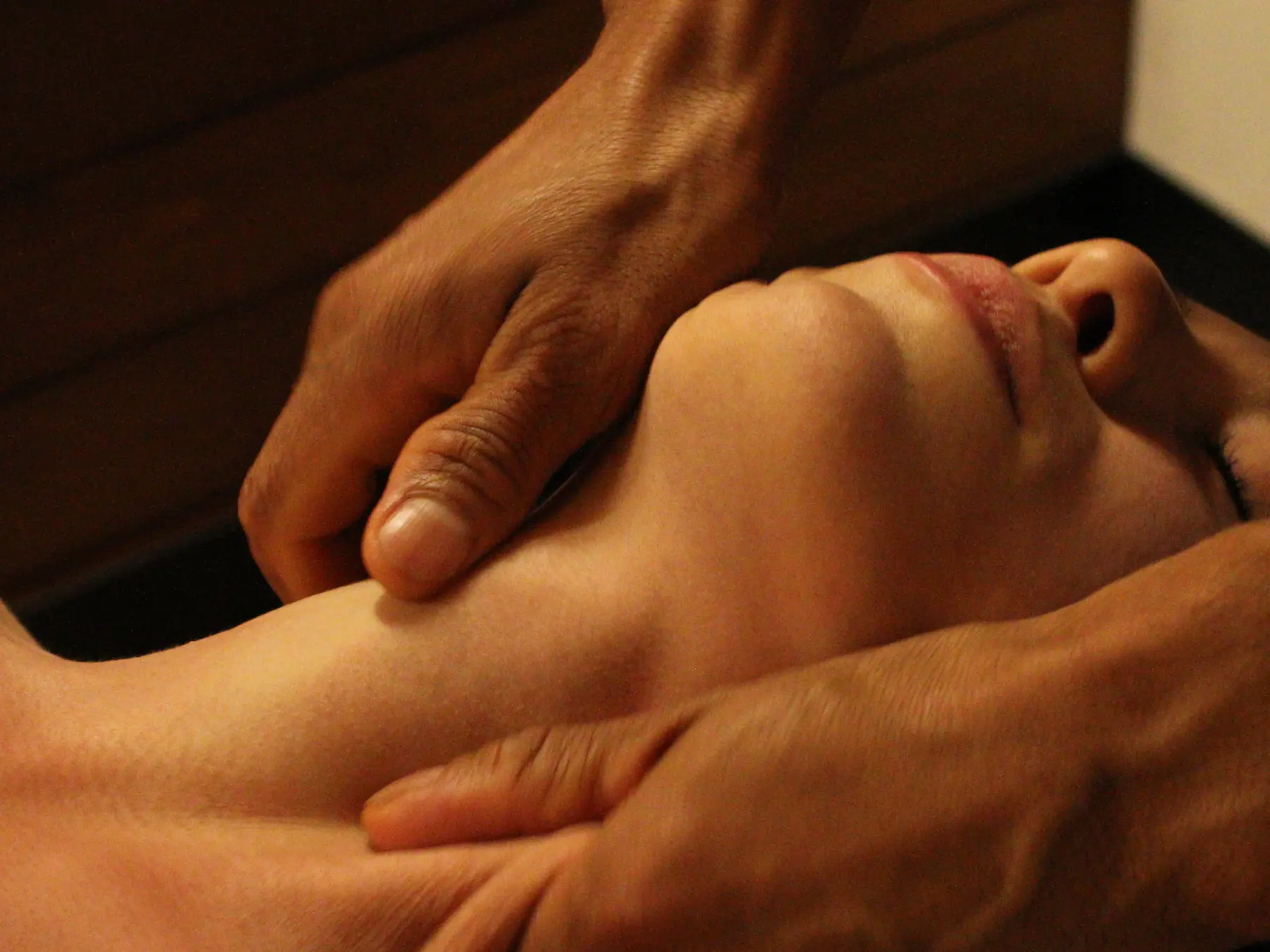
Joint mobilization uses small, precise passive movements to restore normal motion in stiff joints, from the neck and shoulders to the hips, knees and ankles.
Paired with myofascial release, it treats both the joint and the tissue around it, so improvements in movement last.
Who it helps
- Shoulders, hips or a spine that feel stiff, stuck or restricted
- Clicking, catching or one side that feels tighter than the other
- SI joint and pelvic discomfort
- Knee and ankle stiffness in runners and active people
- Rebuilding mobility after an injury or surgery, once cleared by your provider
- Office workers, drivers and caregivers with years of repetitive positions
What a session feels like
Your therapist first watches how you move, turning your head, raising your arms or bending, to find where motion is limited. On the table, they hold the joint and guide it through gentle oscillations and sustained holds while you stay relaxed.
You do not do any of the work. Movements are small and controlled, and your breathing and feedback set the pace. Myofascial release, deep tissue and trigger point work are blended in to clear the restrictions around the joint.
How it’s different
Stretching lengthens muscle. Joint mobilization restores the small gliding movements inside the joint itself, which stretching cannot reach.
Gentle mobilization also stimulates the sensory receptors in the joint capsule, which helps calm protective muscle guarding and pain signals. It is passive movement and soft tissue work, not chiropractic adjustment, and it combines well with chiropractic or physical therapy care.
Because muscles tighten to protect a stiff joint, treating the joint alone rarely lasts. Releasing the surrounding fascia and guarding muscles in the same session lets the joint keep its new range.
How many sessions
Many clients feel freer movement after a single appointment. For chronic stiffness, a short series every one to three weeks builds lasting range, supported by a few home movements your therapist will show you.
Joint work is woven into regular session lengths. A 60-minute session can focus on one region, such as the shoulder girdle or the hips and pelvis. Ninety minutes leaves time to treat the joint, the muscles that guard it, and the areas above and below that compensate for it.
Joint Mobilization questions
Is joint mobilization the same as a chiropractic adjustment?
No. There are no quick thrusts. It uses slow, gentle, passive movement within your comfortable range, combined with soft tissue work.
Can it be done clothed?
Yes. Mobilization can start fully clothed as a movement warm-up, or be integrated into a table session.
Will it help my SI joint pain?
It often helps, especially combined with myofascial release around the pelvis, glutes and low back. Persistent or severe pain should also be checked by your doctor.
Should I tell my therapist about past injuries or surgery?
Yes. Old injuries, surgeries, hypermobility and joint replacements all change how your therapist works. Your intake form covers this, and you can add detail at the start of the session.