Modality
Deep Tissue Massage in Seattle
Deep tissue massage reaches the deeper layers of muscle, tendon and fascia with slow, focused pressure to treat chronic tension, adhesions and postural strain.
At FlowState it is done without the bracing and bruising many people expect: the tissue is prepared first, then worked at a pace your body can accept.
Who it helps
- Chronic upper back and shoulder tension from long hours at a desk
- Low back pain, hip tightness and sciatica-type symptoms
- Runners, cyclists, rowers and lifters with recurring tightness and overuse strain
- Tension headaches driven by tight suboccipital and neck muscles
- Muscles that have shortened around an old injury
- Clients who find relaxation massage too light to make a difference
What a session feels like
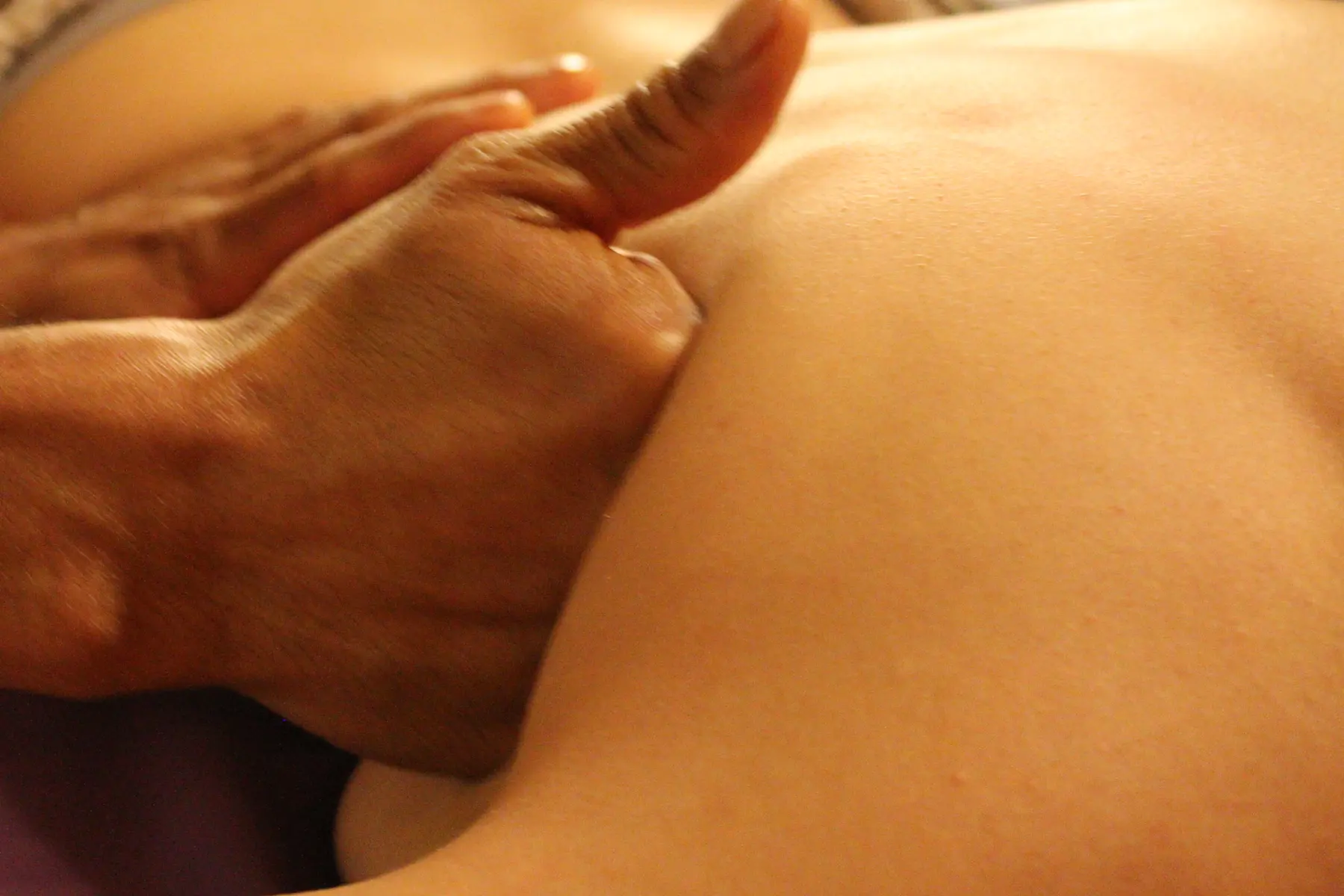
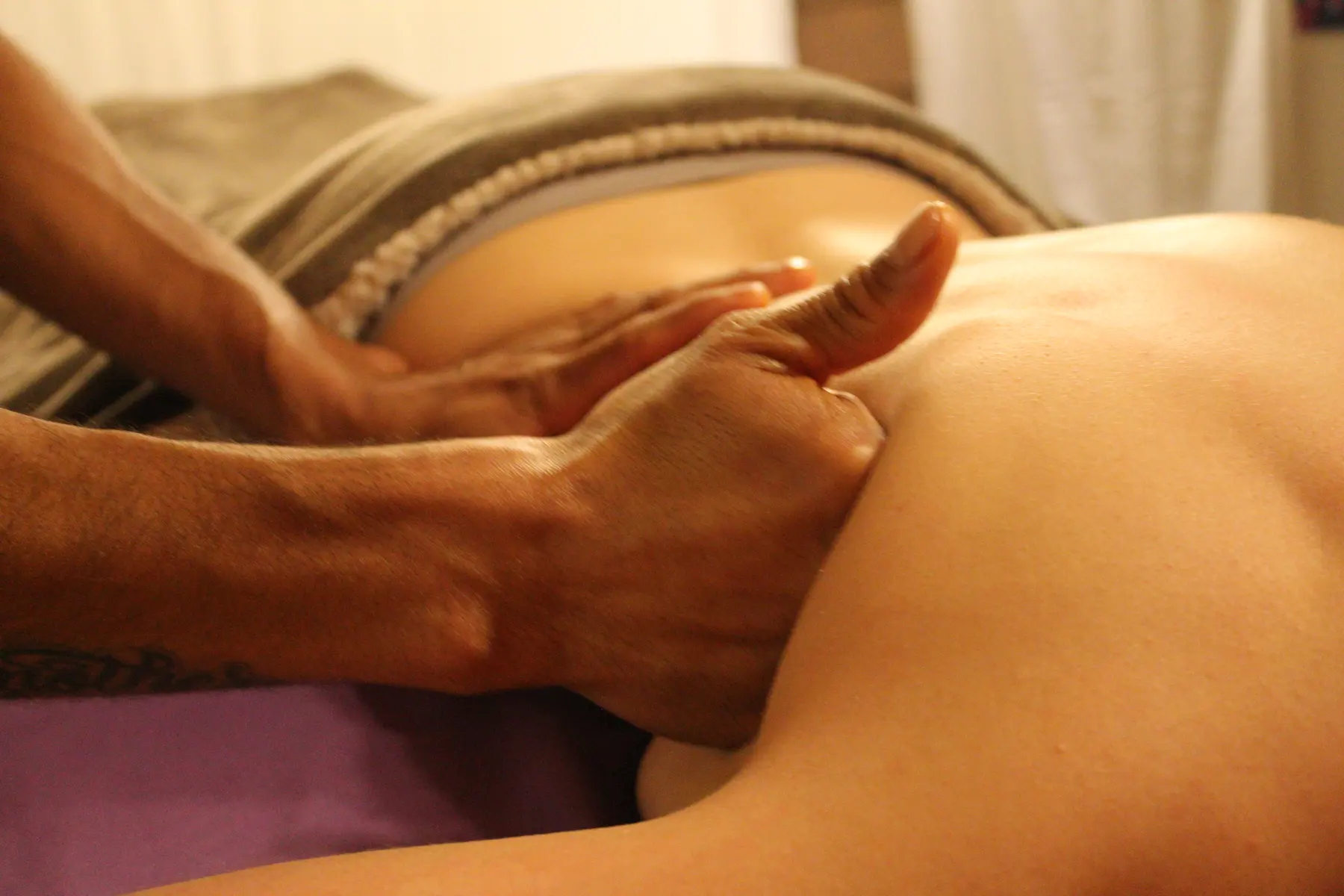
Your therapist starts with myofascial release to soften the outer layers, then uses forearms, knuckles, thumbs and elbows to work into the deeper muscle along and across the fibers. Strokes are slow and deliberate.
Expect a "good hurt": firm pressure that reaches the problem without making you hold your breath, tense up or brace. If you notice yourself guarding, say so. Forcing through guarded tissue only makes it tighten further, and your therapist will adjust.
Some soreness in the 24 to 48 hours afterward is normal, similar to the day after a hard workout. Drinking water steadily and keeping the rest of the day easy helps.
How it’s different
Swedish relaxation uses broad, light strokes to calm the whole body. Deep tissue is targeted: it works on specific restricted muscles to change how they hold tension.
Sports massage is usually built around training and events. Deep tissue here is built around your posture and history, and it is combined with myofascial release and assisted stretching so the gains last once you are off the table.
How many sessions
One session can noticeably reduce tension. Chronic patterns built over months or years usually respond best to sessions every two to four weeks at first, moving to monthly once things are stable.
For full-body work plus focus on one or two problem areas, book 90 minutes. A 60-minute session suits one focused region, such as the neck and shoulders or the low back and hips.
Deep Tissue Massage questions
Is deep tissue massage supposed to be painful?
No. Intense in places, yes, but it should stay within a range where you can breathe and relax. Pain that makes you tense up works against the treatment.
Will I be sore afterward?
Mild soreness for a day or two is common, especially after a first session. It usually fades quickly. Hydrate and plan a quieter evening.
How is it different from myofascial release?
Deep tissue works directly into muscle with firmer, moving pressure. Myofascial release holds slow pressure to free the connective tissue around the muscle. We usually combine them.
What should I do after a deep tissue session?
Sip water steadily through the rest of the day, keep your evening easy, and avoid a hard workout until the next day. A warm shower or bath helps if you feel sore. Your therapist may suggest one or two simple stretches to keep the area moving.