
DIY Massage Class
Want to surprise your significant other? Bring them to a dyi massage class
Reclaiming the Art of Touch
At FlowState Massage, we believe that high-quality bodywork shouldn’t be a luxury reserved for a once-a-month clinic visit.
Our mission is to help our Seattle community develop sustainable long-term self-care habits. These DIY workshops are designed to bridge the gap between professional clinical therapy and the supportive touch you share with friends and family.
Why We Teach The FlowState Way.
Most "home massages" involve tired thumbs and superficial rubbing. In our clinic, we use a different approach. We focus on the fascia—the thin, spiderweb-like connective tissue that surrounds every muscle, bone, and organ in your body. Fascia has more nerve endings than muscle, meaning it holds the key to deep relaxation and chronic pain relief.
During these workshops, we’ll show you a few of the professional techniques we use in the clinic every day, specifically adapted for you to use safely and effectively at home.
The Science of the Quiet Touch
We don't just teach you where to press; we teach you how to listen.
Clinical Myofascial Release (MFR) requires a quiet touch—a sustained, gentle pressure that allows the fascia to melt rather than forcing it to submit.
What you will learn about the body:
- The Interconnected Web: Why tension in the feet can cause a headache, and how to address the whole fascial line.
- Nervous System Regulation: How intentional touch acts as a conversation between the body and brain, lowering the threat perception that causes chronic tightness.
- The Why Behind the How: Understand the difference between superficial skin rubbing and the deep, restorative compressions we use to reach the fascial layers.
The Curriculum & Practical Skill-Building
Focus Areas: Clinical Secrets for Home Care
Each workshop is tailored to a specific region of the body, allowing us to dive deep into the clinical shortcuts that provide the most relief for common Seattle lifestyles like the high-stress tech life.
1. Shoulders & Upper Back: Melting the Desk Knots.
For those who spend 40+ hours at a computer, the shoulders and upper back become a fortress of tension.
- Pro-Secret: We’ll show you how to use your body weight—not your thumb strength—to release the upper trapezius and rhomboids.
- The Pin and Stretch: A professional clinic technique adapted for home use to help unstick restricted fascia around the shoulder blades.
2. Neck & Scalp: Releasing Tech Neck.
Tension headaches and neck stiffness are often symptoms of fascial restrictions in the anterior and lateral neck muscles.
- Clinical Approach: Learn the gentle, sustained traction moves we use at FlowState to create space in the cervical spine.
- Scalp Release: A high-impact, low-effort technique that signals the entire nervous system to move into "rest and digest" mode.
3. Lower Legs & Feet: The Ultimate Decompression
The feet are the foundation of your fascial lines. When they are tight, the whole body feels restricted.
- Stress-Relief Points: We’ll guide you through the specific points in the arch and calf that provide the most bang for your buck in terms of whole-body relaxation.
- Joint Mobilization: Learn simple passive stretching techniques (Joint Mobilization) used in our Stretch Therapy sessions to improve flexibility and reduce stiffness.
Sustainable Habits for the Giver
The biggest complaint people have when giving a massage is: "My hands hurt!"
In our DIY classes, we prioritize pro-body mechanics.
You will learn how to use your palms, forearms, and leaned-in body weight so you can provide a 20-minute massage for a loved one and feel just as relaxed as they do when it's over.
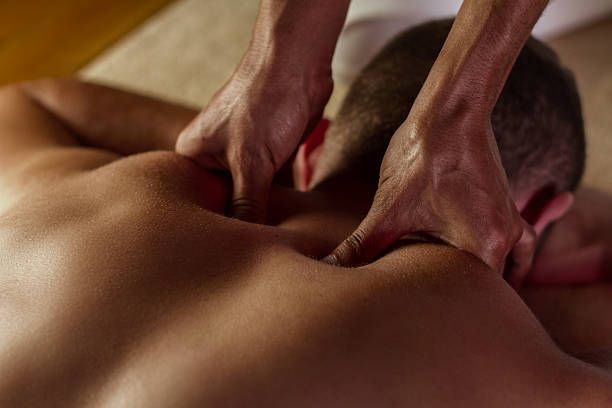
Deep tissue massage is a type of therapeutic massage that focuses on the deeper layers of muscles and connective tissue in the body. It uses slow, firm pressure and targeted techniques to release tension and knots in the muscles, as well as break up scar tissue and adhesions. Deep tissue massage can be helpful for individuals who suffer from chronic pain, muscle tightness, and limited mobility, as it can help increase blood flow, reduce inflammation, and improve overall function. The massage therapist may use their hands, forearms, elbows, and even specialized tools to apply pressure and work on specific areas of the body.